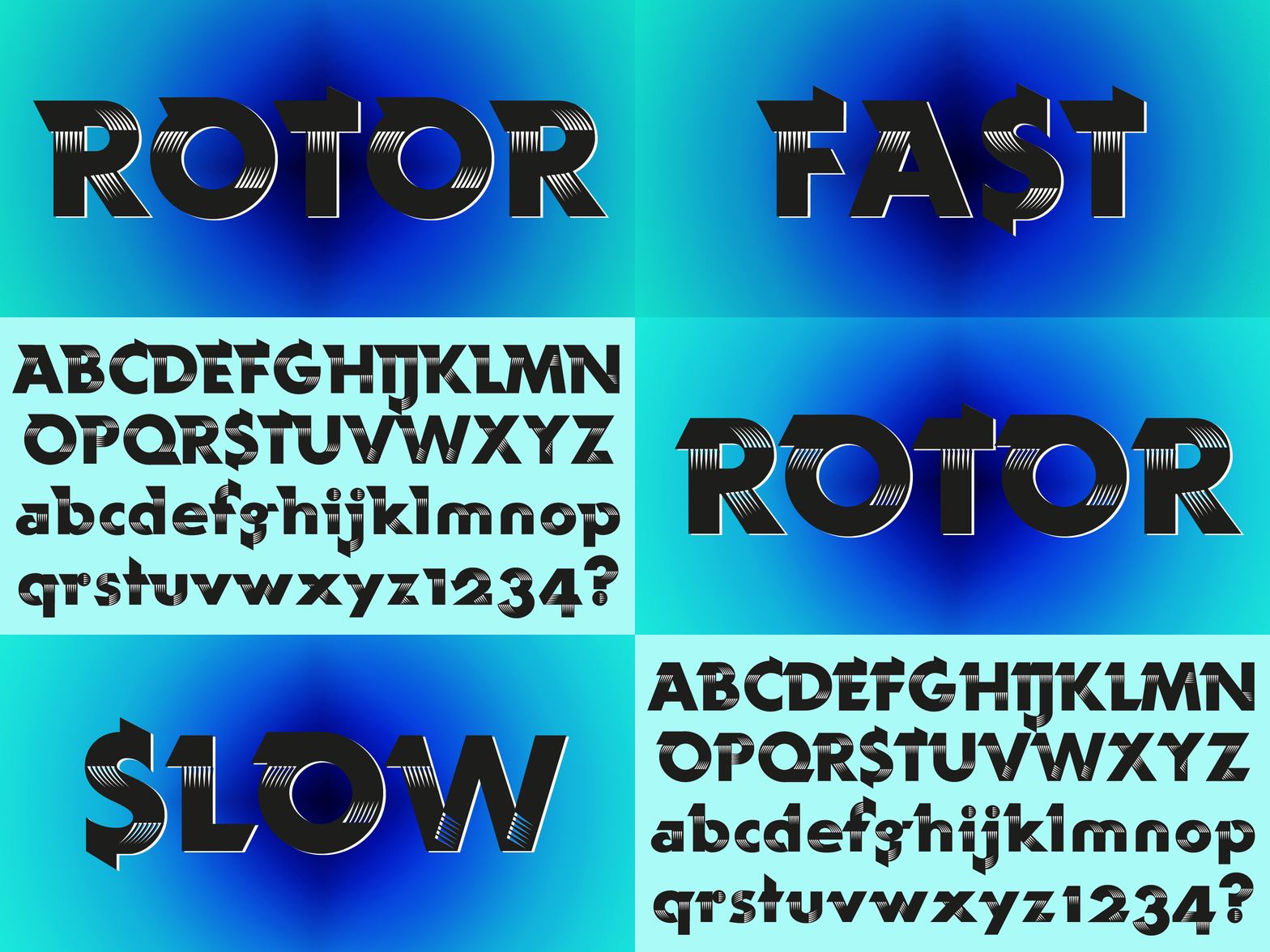
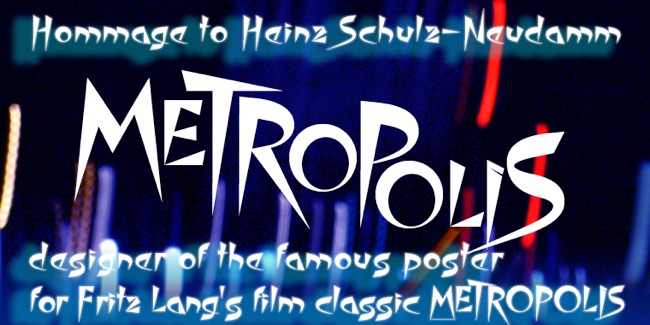
In 1929 K. Sommer designed a typeface for Linotype called Vulcan. Some years later they republished the typeface and called it Dynamo.

The early Vulcan design inspired me to do »ROTOR«, a new and faster typeface in two different »speeds«, meaning I gave the design two opposing slants on the slab-serifs. To be more useful I drew two sets to make overlays, one with the white speedtraces and one without.

And of course I did give it an allover new look, but still kept it a very art deco kind of typeface.

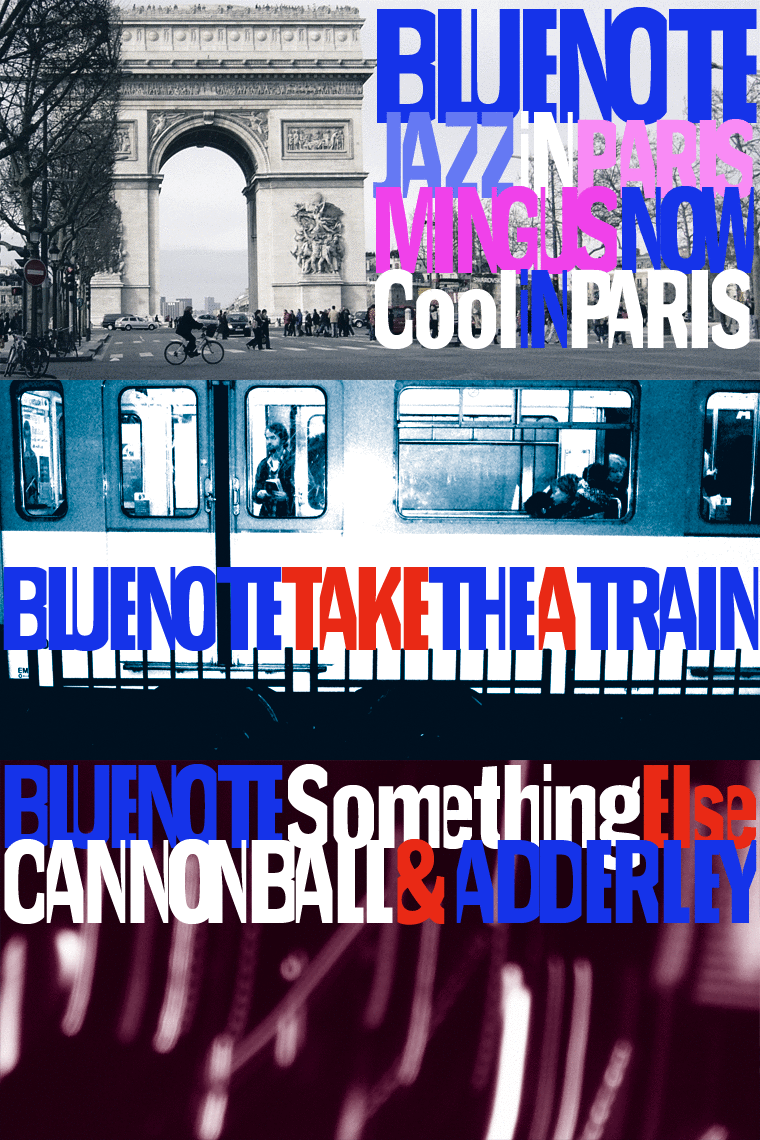
»BLUENOTE« is a font based on Franklin Gothic condensed. In the 60s and 70s the record label Blue Note published the classic jazz records of my youth. Someone at their arts department cut letters to ribbons and designed wonderful record covers with those fragmented glyphs. I had a look at my music collection and rediscovered these letters.

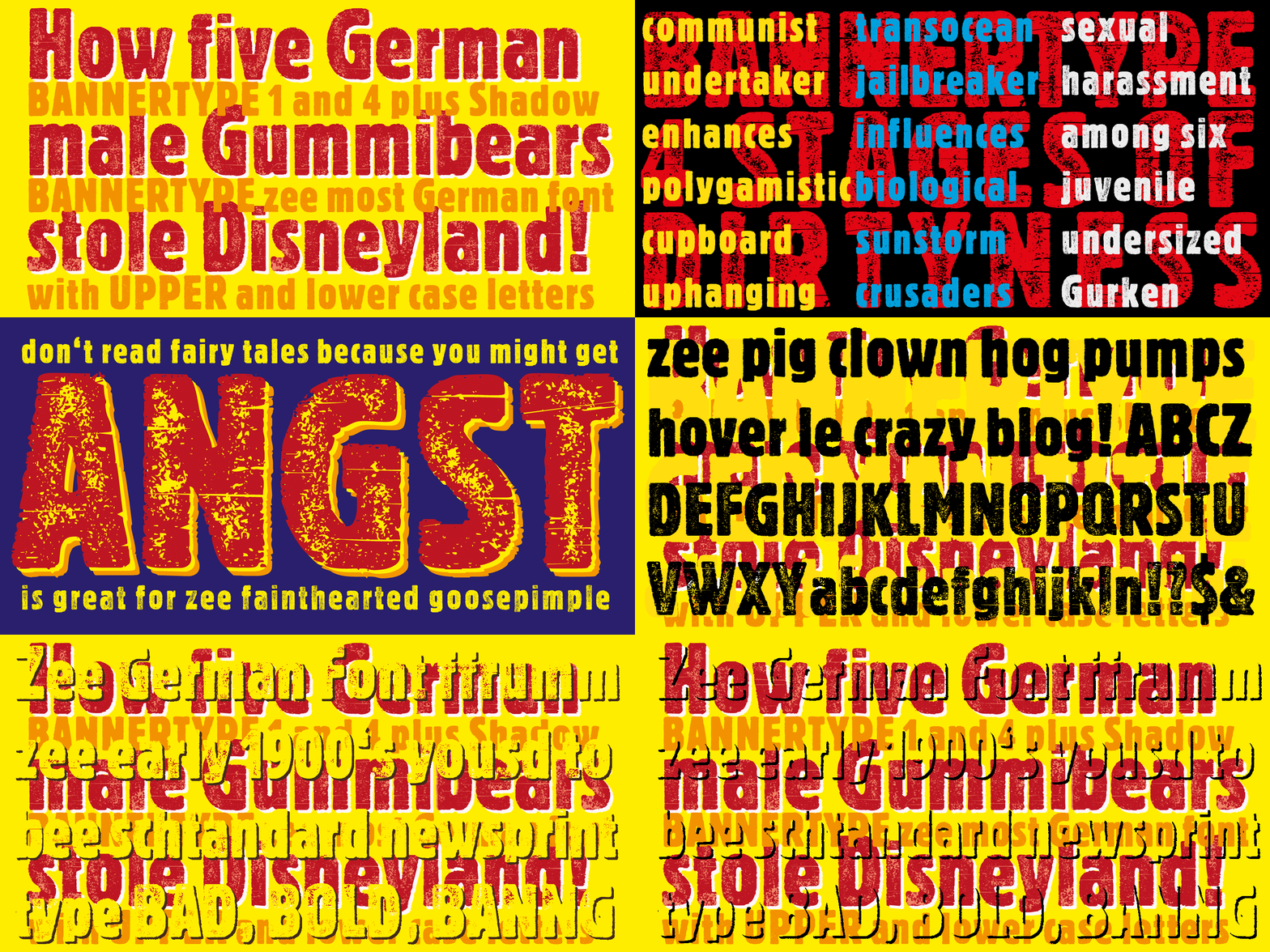
»BANNERTYPE« is – at least for my feeling – the most German of all fonts. It was used heavily mostly in newsprint and advertising in the early 1900s. I designed a dirty version of the narrow font in 4 stages of dirtiness, plus one free shadow font. The font has too many points I cannot generate a OTF-version, it is over the limit for that. But I have tried this TrueType version and it works like a jiffy in MacOS 10.11.6!

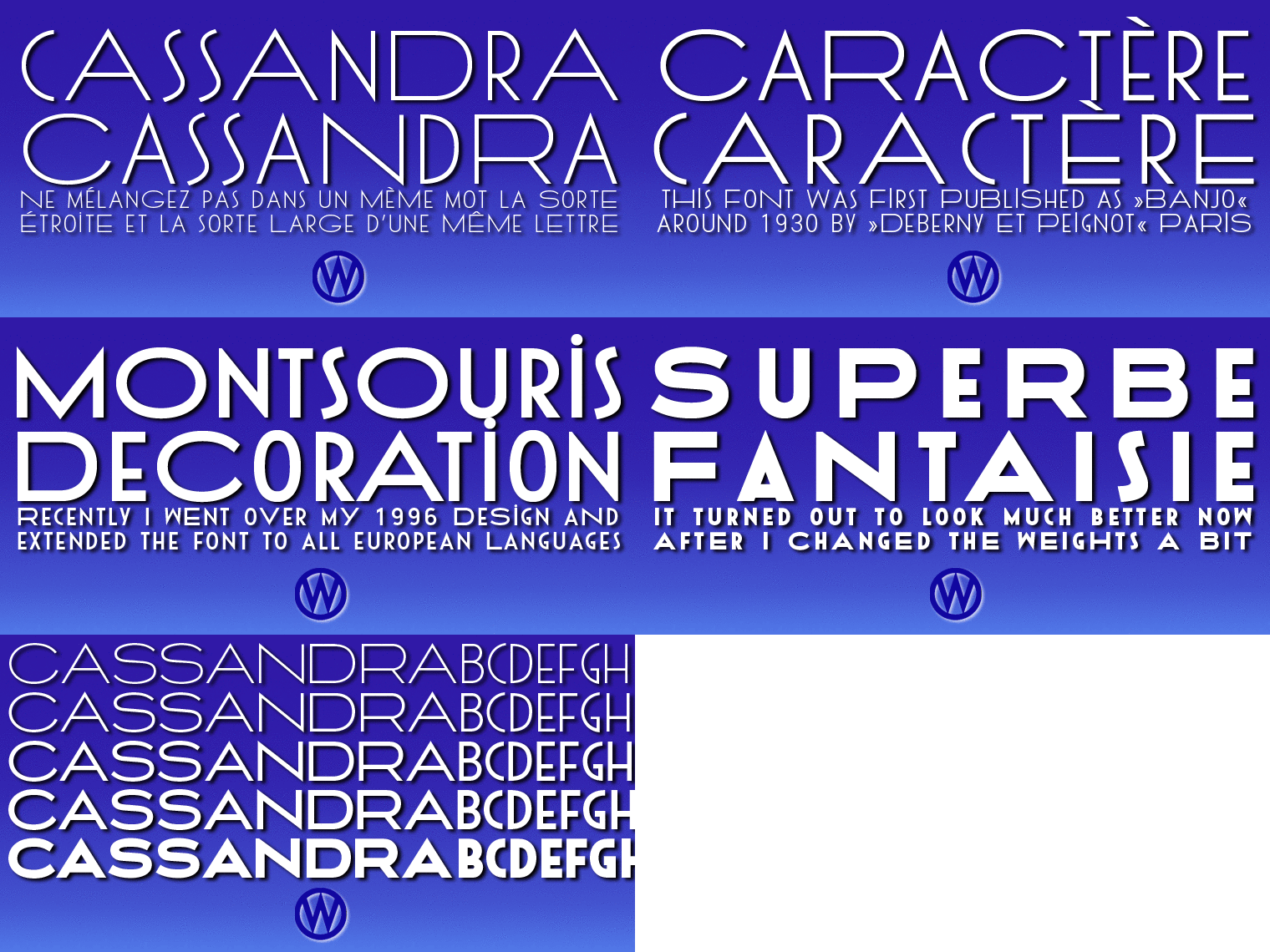
»CASSANDRA PLUS« is my revised version of Cassandra, it can now be used all over Europe except Greece and Russia. I changed the weights to make them more distinct. The Font has two widths of letters, wide Capitals on the (shift) uppercase-keys and narrow ones on the (no shift) lowercase-keys. You can match them as you like, but avoid having the same letter in one word in two different widths. But – it will almost always look good, thanks »Adolphe Mouron Cassandre«!

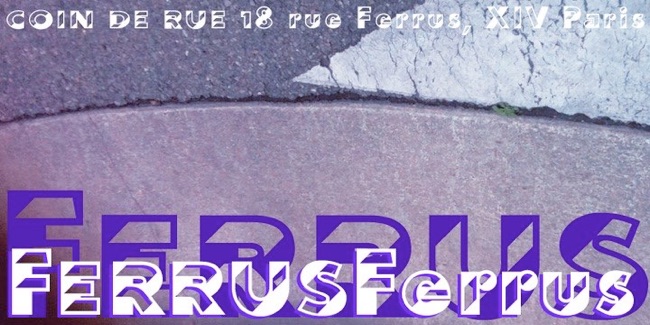
»FERRUS« is named after the former location of the famous French foundry Deberny & Peignot, 18 Rue Ferrus, XIV Paris. The design is inspired by the 1920s font »Acier« by Cassandre. But Ferrus is not a revival or copy, it is a new design based on strong black and white contrast in 45 degrees, which gives it a fake 3-D character. Bold and small caps.

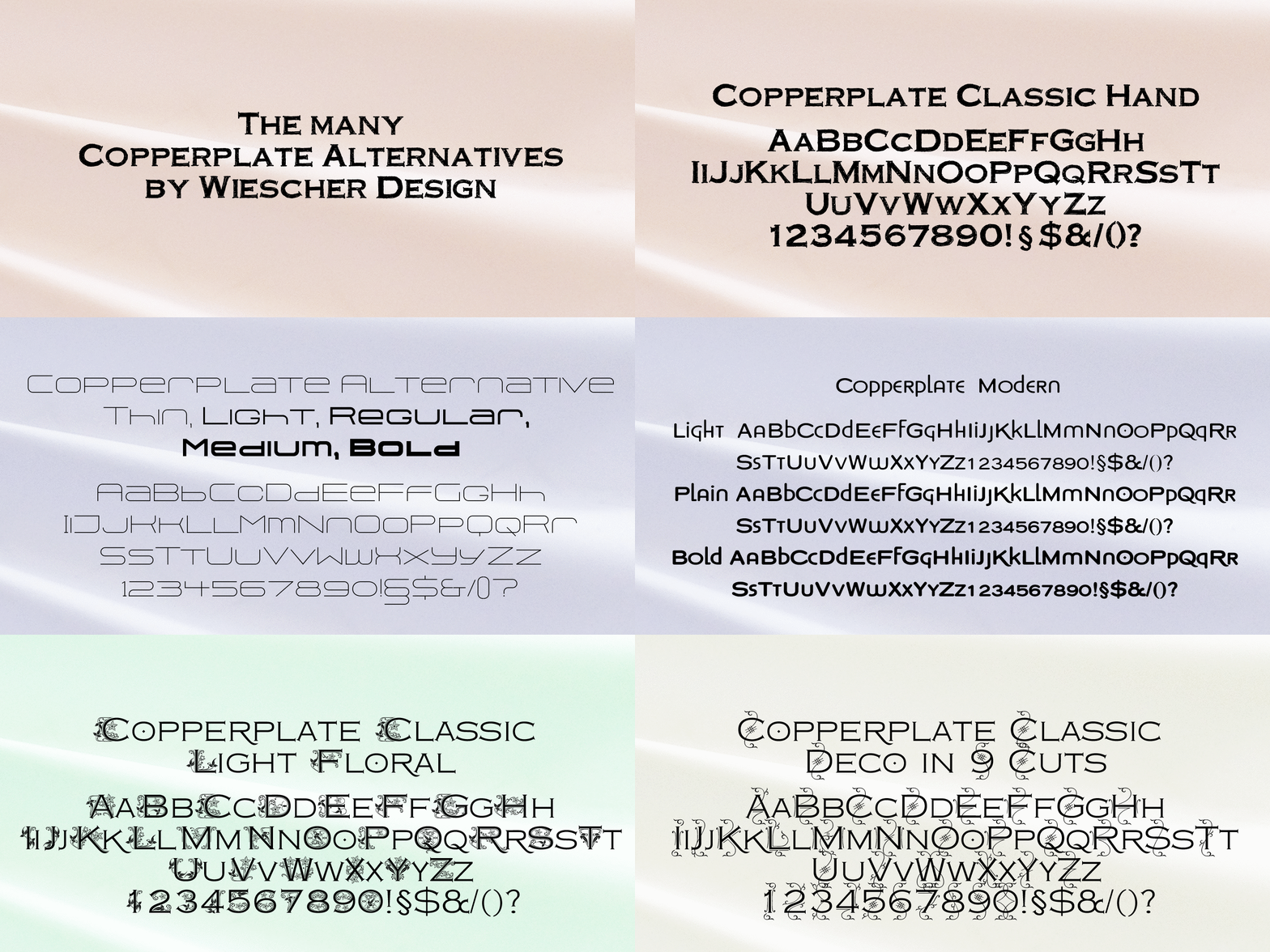
Copperplate was the classic nineteenth century engravers typeface, consisting of capitals and small caps only, F. W. Goudy‘s cut for ATF around 1901 is probably the most widely known. They are traditionally used for business cards and all that serious stuff. My »COPPERPLATE CLASSIC« is a completely new design, based on old samples. To make it look more up-to-date, I gave it some extra swings here and there.

»Elita« is a 100% geometric font designed on a 3 by 16 grid that makes it very slim. There are no optical tricks employed. The font is not made to write long copy, but it is perfect if you want to employ that magic between pure geometric and almost impossible to read. Just look at the samples and enjoy!